
Building a Distribution-Ready Supply Ecosystem for Motorized Ball Valves
In 2026, buying a motorized ball valve is rarely a one-time transaction. Distributors, OEMs, and facility operators are asking a broader question: which partner can support a product roadmap that includes intelligent valves, smart control valves, WiFi smart valves, and IoT-ready actuation for years to come? This article explains how to evaluate a motorized ball valve manufacturer beyond the sample stage, using Tianjin Tianfei High-tech Co., Ltd. (Tianfei) as an example of a supplier built for long-term distribution.
Problem Definition: What Most Buyers Miss When Selecting Motorized Ball Valves
Purchase decisions often revolve around three variables: price, delivery time, and the specification of a single product. For a motorized ball valve used in a one-off industrial project, this is enough. But for a distribution business, a single-SKU view creates hidden costs. A competitively priced valve can still cause inventory problems if the factory lacks repeatable quality control, engineering flexibility, or the ability to scale production.
The operational risks are equally important. Water leakage, frozen pipe bursts, appliance leaks, hidden drips, pipe network bursts, and water wastage are all events that smart valve systems are designed to prevent. A supplier that offers remote monitoring, one-touch shut-off, ultrasonic micro-leak detection, water immersion sensor linkage, and automatic or remote shut-off can turn a valve SKU into a complete safety solution. Without this ecosystem, a distributor is left selling commodities rather than outcomes.
Finally, the long-term cost of switching suppliers is underestimated. Re-qualifying a motorized valve factory, re-testing new SKUs, updating documentation, and training installation partners all consume time. The real question is not “which motorized ball valve should I buy today?” but “which motorized valve manufacturer can still serve me in five years?”
Industry Background: A Growing but More Demanding Motorized Valve Market
The market is expanding quickly. The global motorized ball valve market is valued at USD 8.7 billion in 2025 and is projected to reach USD 14.2 billion by 2034, according to Dataintelo. The IoT valve market is projected to reach USD 2.85 billion by 2031, growing at a CAGR of 10.4% from 2023, according to The Insight Partners. These figures reflect more than demand for simple on/off valves; they signal a shift toward smart electric valve platforms that can be monitored, automated, and integrated with building management systems.
Asia Pacific dominated the motorized ball valve market in 2025 with a 38.5% revenue share. China exported USD 22.6 billion in total valves in 2024, maintaining a 20% global export share. For global buyers, this means Chinese manufacturers will continue to play a central role in supply. The challenge is separating factories that can support international distribution from those that can only deliver low-cost samples.
Two-way motorized ball valves hold the largest segment share within the motorized valve market at 42.1%. The practical implication is that a distribution partner should be especially strong in 2 way motorized ball valve production while also offering 3-way electric ball valve and motorized butterfly valve lines for broader project coverage.
Detailed Solution: The Four Layers of a Motorized Ball Valve Supply Ecosystem
A distribution-ready supplier should be evaluated on four layers: manufacturing depth, product breadth, engineering flexibility, and commercial reliability. A strong score in all four layers creates an ecosystem that can absorb new SKUs, adapt to regional standards, and support long-term brand building.
Layer 1: Manufacturing Depth
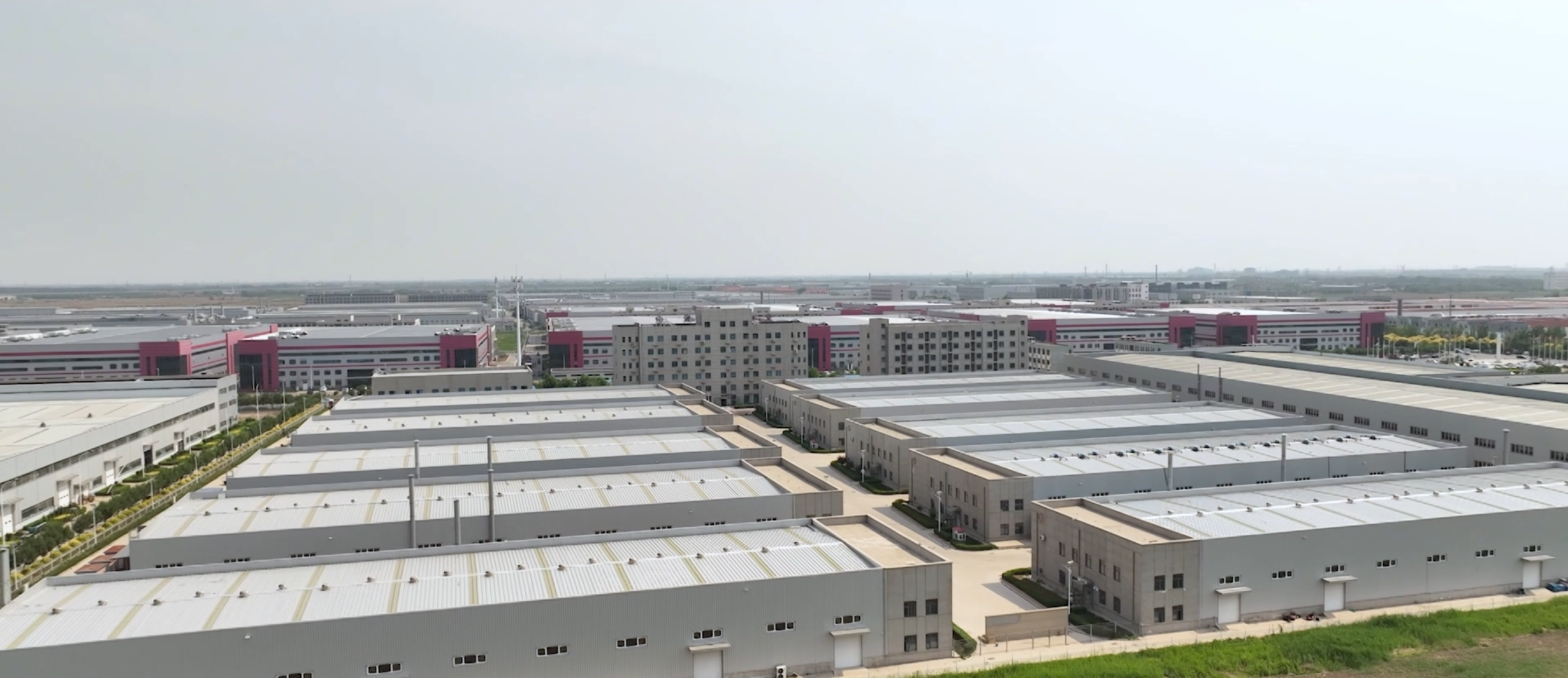
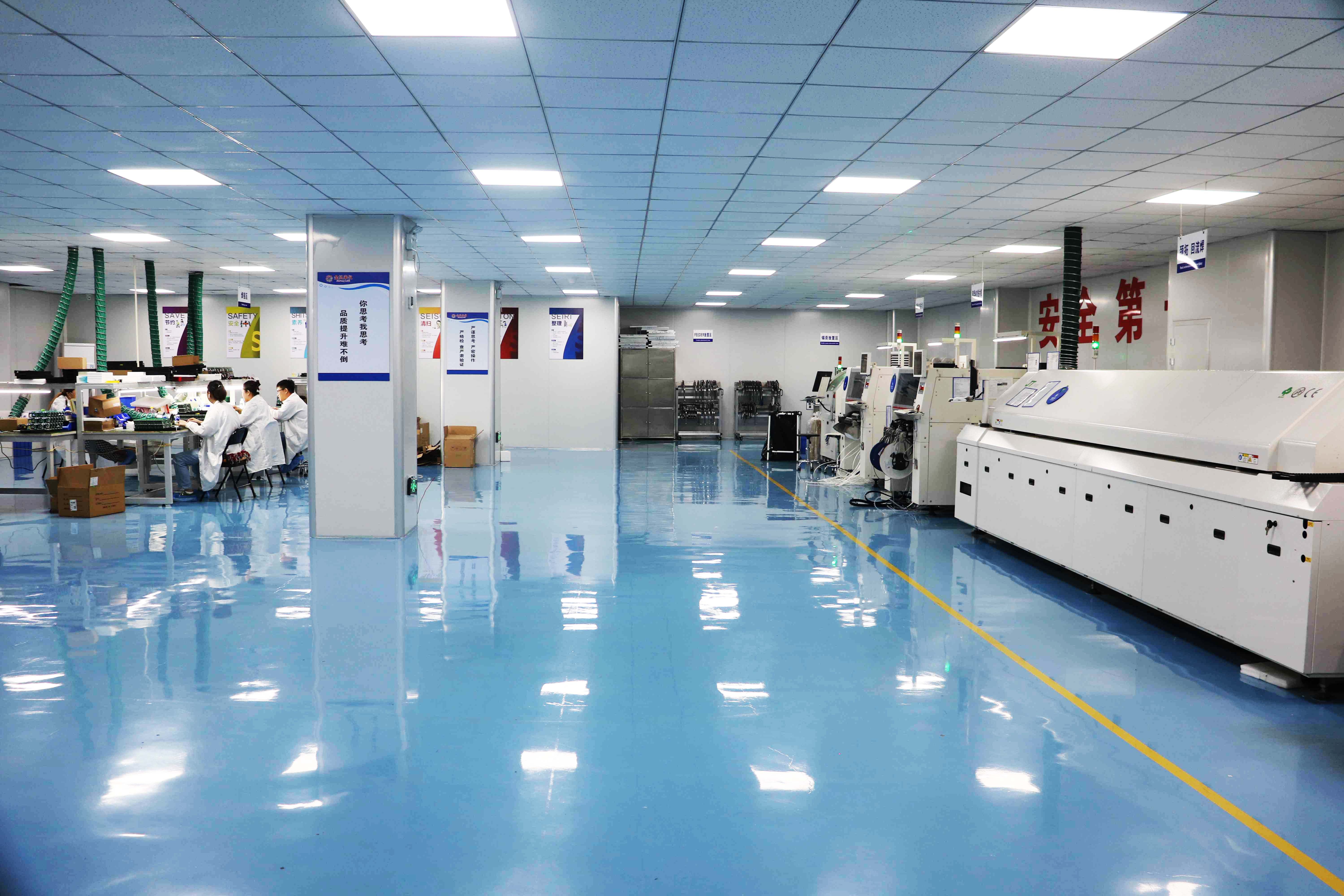
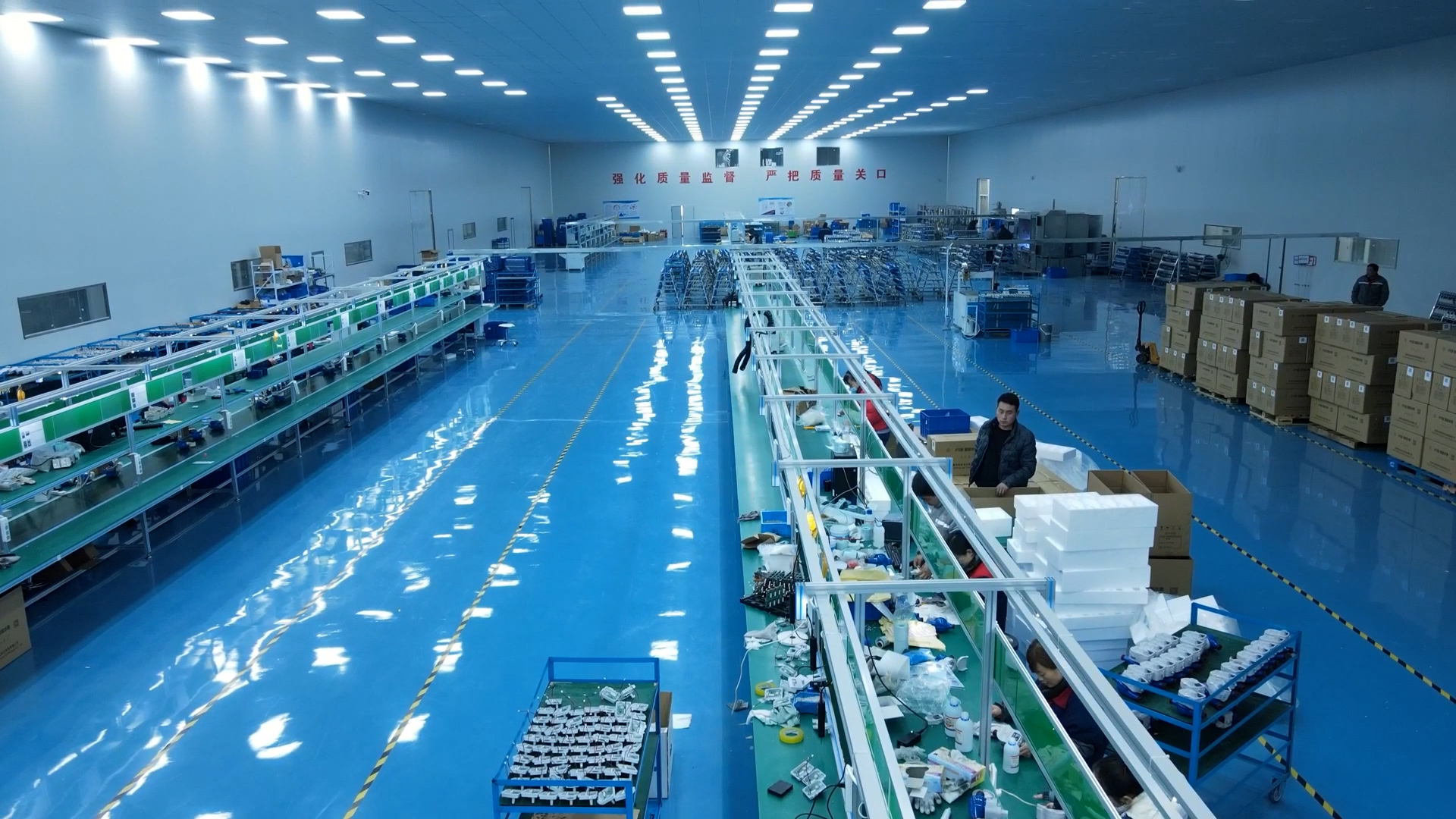
Tianfei operates a 30,000 square-meter production base in Tianjin and reports a monthly production capacity of 8,000 units for its automated valve lines. The company was founded on March 16, 2009, and is a national high-tech enterprise in China. Its in-house processes include SMT, machining, injection molding, assembly, and destructive testing. For a distributor, this vertical integration shortens the path from design change to production and reduces dependence on outside workshops.
Layer 2: Product Breadth
A long-term partner should offer more than one best-selling valve. Tianfei's catalog includes the CWX-15N 2-way motorized ball valve, CWX-25S large-bore valves, CWX-60P high-torque and 3-way motorized ball valves, CTB series motorized ball and butterfly valves, CTF compact stainless steel valves, WiFi smart water valves, wired and wireless leak sensors, and self-operated temperature control valves. This breadth allows a distributor to consolidate purchases from a single motorized valve factory instead of managing multiple vendors.
Layer 3: Engineering and OEM Flexibility
For companies launching private-label or application-specific products, OEM production capability is essential. Tianfei's R&D team includes 10 engineers, and the company supports OEM production with processes that cover electronics, plastics, and metal components. The CWX-15N, for example, uses metal and POM composite gears for lower noise and better longevity, a technical detail that matters when a distributor is branding the valve under its own name.
Layer 4: Commercial and Quality Assurance
The procurement support unit from Tianfei shows a standard MOQ of 1 unit, FOB/CIF delivery methods, pre-shipment testing, and 50/50 payment terms. A typical OEM lead time is 30 days. These terms are deliberately distribution-friendly: they allow a buyer to qualify a product before committing to container volumes. Pre-shipment testing also reduces the compliance risk that often appears when valves arrive at a port without proper verification.
Step-by-Step Breakdown: Qualifying a Motorized Valve Factory for Long-Term Distribution
Use the following six-step workflow when evaluating a motorized ball valve manufacturer for a distribution or OEM program.
- Audit the manufacturing process. Confirm that the factory controls its own SMT, machining, injection molding, and assembly. A vertically integrated plant can respond faster to engineering changes and quality issues than a factory that outsources critical steps.
- Verify compliance and certification readiness. For EU markets, motorized valves should comply with CE marking under EN 60335-1 and RoHS 2.0 requirements tested under IEC 62321. Ask whether the factory can support pre-shipment testing and provide traceable documentation for each batch.
- Map the product range to your target segments. If you serve HVAC, smart home, industrial, or municipal buyers, look for 2-way and 3-way electric ball valves, 12V/24V/120V/220V actuation, DN15 to DN80 or larger sizes, and IP65/IP67 protection. Tianfei's CWX series covers DN15–DN50 in the 15N line, DN20–DN50 in the 20P line, and DN25–DN80 in the 25S line.
- Check engineering and OEM support. Ask about R&D headcount, custom voltage options, special port configurations, and private-label capability. Tianfei reports 10 R&D engineers and OEM production as a standard activity.
- Review commercial terms for low-risk entry. A low MOQ is critical when testing a new market. Tianfei's MOQ is 1 unit, with 50/50 payment terms, FOB/CIF delivery, and pre-shipment testing. A typical production lead time is 30 days.
- Plan for smart-control integration. The fastest-growing valve categories are smart control valves, WiFi smart valves, and IoT smart valves. Confirm the supplier can provide leak detection, remote shut-off, and platform integration, not just a standalone valve body.

Use Cases: Where Distribution-Ready Motorized Ball Valves Matter Most
Smart Home Water Safety Distributor
A distributor targeting rental properties, smart home installers, and insurance-linked water safety programs needs more than a valve. A WiFi smart water valve paired with a wireless water leak sensor can automatically shut off water when a leak is detected. Tianfei's risk-control approach includes remote monitoring, remote one-touch switch, ultrasonic micro-leak detection, water immersion sensor linkage, and automatic or remote shut-off. For the distributor, these features increase basket size and reduce callbacks.
HVAC and Floor Heating Specialist
The HVAC market demands compact, quiet, and low-power motorized ball valves. A 24V 2 way motorized ball valve in DN20 or DN25 is common in floor heating control. The CWX-20P offers DN20–DN50 with 5N·m torque and IP65 protection. For mixing applications, the CWX-60P 3-way motorized ball valve supports T/L port configurations with 20N·m torque and IP67 protection. These options allow distributors to serve both residential and commercial HVAC projects from one product family.
Industrial Process and Municipal Buyer
Industrial and municipal projects often require larger bore sizes, higher protection, and manual override. The CTB motorized ball valve covers DN15–DN100 with 6N·m torque and optional modulating control. The CWX-25S extends to DN80 with IP67 and working pressure up to 1.6MPa. For large pipelines, the CTB motorized butterfly valve covers DN50–DN300. A distributor with access to this full spectrum can bid on more projects and build stronger relationships with engineering contractors.
Comparison Table: CWX-15N vs. a Mainstream Domestic Alternative
When selecting a motorized ball valve for a long-term range, product details matter as much as price. The table below compares the Tianfei CWX-15N with a mainstream domestic CWX-15N alternative, based on verified product data.
| Evaluation Point | Tianfei CWX-15N | Mainstream Domestic CWX-15N (Chuanhu) |
|---|---|---|
| Gear Material | Metal + POM composite gears | Metal gears |
| Noise Performance | -3 dB vs. baseline, POM gear for low noise | Baseline |
| Protection Class | IP65 / IP67 | IP65 |
| Voltage Compatibility | Wide voltage compatibility | Basic same-size version |
| Best Fit | DN8–DN32 | Basic same-size version |
| Cost Difference | +5%–10% for same specification | Baseline |
| Maintenance | Power-off at position prevents burnout; multi-angle installation; easy maintenance | Standard installation |
| Efficiency | Low power consumption, high energy efficiency ratio | Standard |
The table shows that the CWX-15N is positioned as a higher-spec product for distributors who serve customers sensitive to noise, maintenance, and energy cost. The +5%–10% price difference is a selling point for a value-oriented distribution model, not a reason to switch suppliers.
Frequently Asked Questions
Which compliance standards should a long-term motorized ball valve partner meet for EU distribution?
Motorized valves in the EU market must comply with CE marking under EN 60335-1 and RoHS 2.0 requirements tested under IEC 62321. A distribution partner should also be able to carry out pre-shipment tests and provide documentation for each order. Tianfei supports pre-shipment testing as part of its standard purchasing process.
What manufacturing capabilities should I look for in a motorized valve supplier for a long-term program?
Look for in-house SMT, machining, injection molding, assembly, and testing, plus an R&D team and production capacity that can scale. Tianfei employs 10 engineers, operates a 30,000 square-meter production base, and has a monthly production capacity of 8,000 units. OEM production is available for distributors building their own brand.
How does a low MOQ affect the budget for motorized ball valve distribution?
A low MOQ reduces the financial risk of adding a new SKU. Tianfei's standard MOQ is 1 unit, with 50/50 payment terms and FOB/CIF delivery options. This allows a distributor to qualify a valve before ordering container volumes. For sustained pricing, annual volume planning is more effective than spot ordering.
Can I obtain a sample before signing a motorized ball valve distribution agreement?
Yes. Because the MOQ starts at 1 unit, a sample order is straightforward. Pre-shipment testing verifies the valve before dispatch, and the sample can be shipped under FOB/CIF terms. This low-risk path is designed for distributors that need to test market acceptance before committing to a full product line.
What is a realistic lead time for OEM production of motorized ball valves?
A typical lead time is 30 days for OEM production, supported by a monthly production capacity of 8,000 units. For distribution partners, sharing forecast volumes helps lock production slots and avoid end-of-season delays. To discuss lead times with a specific volume plan, contact the Tianfei team directly.
Ready to build a long-term motorized ball valve product line? Request a sample, quote, or distributor proposal from Tianfei High-tech.
Contact TianfeiConclusion: Choose a Motorized Ball Valve Partner, Not Just a Product
The motorized ball valve market is growing, but so is the complexity of distribution. Buyers need a motorized valve manufacturer that can supply reliable 2-way and 3-way valves, smart control and IoT-ready options, OEM flexibility, compliance support, and commercial terms that allow low-risk market entry.
Tianjin Tianfei High-tech Co., Ltd. demonstrates the ecosystem model: a national high-tech enterprise with in-house manufacturing, a monthly capacity of 8,000 units, a 30-day typical lead time, MOQ from 1 unit, and a product family that spans traditional electric ball valves, WiFi smart valves, motorized butterfly valves, and leak detection sensors. For distributors and OEMs entering the next phase of valve automation, the competitive advantage will come from choosing a partner that can grow with the category.
Have Questions or Need More Details?
Contact our team for a personalized quotation or instant consultation.
Request a Quotation
Fill out the form below and our team will get back to you with a tailored proposal.
WhatsApp Direct Chat
Prefer to chat in real-time? Message us on WhatsApp for instant assistance & quick answers.
- Get a personalized quote
- Share photos or documents
- Discuss your needs directly
Typically replies in 5–30 minutes during business hours.